Living in Salt Lake City, Utah | Neighborhoods, Lifestyle & Real Estate
Salt Lake City is Utah’s capital, but it is also a real place to build a life, not just a downtown skyline or a stop on the way to the mountains.
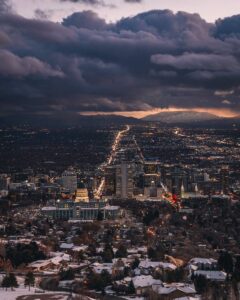
The city offers historic neighborhoods, local restaurants, arts and entertainment, parks, universities, healthcare, transit, and quick access to the foothills. It is a place where someone can spend the morning at a coffee shop in Sugar House, attend a concert downtown, walk through Liberty Park, and still be close to trails and canyon scenery by the end of the day.
For buyers and sellers, Salt Lake City offers one of the widest ranges of home styles in Northern Utah. You will find historic bungalows, Victorian homes, modern townhomes, condos, duplexes, renovated properties, new infill construction, and luxury homes near the foothills.
Salt Lake City is a strong fit for people who value neighborhood character, city conveniences, cultural life, outdoor access, and a more connected daily lifestyle.

What Is It Like to Live in Salt Lake City?
Living in Salt Lake City
It can feel different from one neighborhood to the next. Some areas are walkable and urban, with restaurants, nightlife, public transit, and condo living. Other neighborhoods are quieter, more residential, and known for mature trees, historic homes, parks, and mountain views.
The city has a mix of established neighborhoods, newer redevelopment areas, commercial corridors, and residential pockets.
Salt Lake City is often a good match for people who want more than a suburban routine. It offers a blend of city living, local culture, and access to the outdoors. Visit Salt Lake identifies city areas including Downtown, Central City, Sugar House, Avenues/Capitol Hill, University/Foothill, Granary/Ballpark, and Airport/Fairgrounds.
Salt Lake City Neighborhoods to Explore
Downtown Salt Lake City
Downtown is the city’s most urban setting, with condos, apartments, offices, restaurants, entertainment venues, sporting events, hotels, transit, and cultural landmarks. It can be a strong fit for buyers who value convenience, walkability, and being close to the center of activity.
Central City
Central City sits near downtown and includes a mix of older homes, apartments, townhomes, small businesses, and quick access to major city amenities. It is often considered by people who want proximity to downtown without living directly in the downtown core.
Sugar House
Sugar House is one of Salt Lake City’s best-known neighborhoods, popular for its local shops, restaurants, parks, historic homes, and central location. It offers a mix of classic homes, apartments, condos, and newer development. Visit Salt Lake describes Sugar House as a hub for eclectic shops, galleries, restaurants, and bars.
The Avenues and Capitol Hill
The Avenues and Capitol Hill are known for historic homes, hillside streets, city views, and quick access to downtown. These areas appeal to people who value architecture, character, proximity to the Capitol, and a more established neighborhood feel.
University and Foothill
The University/Foothill area is near the University of Utah, medical facilities, research centers, trails, and foothill recreation. Homes in this area can range from established mid-century properties to larger homes with city or mountain views.
Liberty Wells and Central Ninth
These neighborhoods offer a mix of historic homes, community character, local businesses, and access to downtown and Liberty Park. They are often considered by buyers who want a more central location with older-home charm.
Rose Park and Glendale
Rose Park and Glendale are west-side Salt Lake City neighborhoods with access to parks, community resources, and a variety of housing options. They can offer a different pace and housing mix than the east-bench neighborhoods.
Proximity to the Canyons: One of Salt Lake’s Biggest Lifestyle Benefits
One of Salt Lake City’s biggest lifestyle benefits is its connection to outdoor spaces.
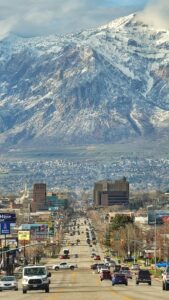
The city is close to the foothills and has direct access to walking, biking, and recreation areas. City Creek Canyon is especially notable because it is located close to downtown and serves as both a protected watershed and a local outdoor resource. Salt Lake City describes it as part of the capital city’s backyard.
Residents enjoy nearby outdoor destinations such as:
- City Creek Canyon
- Memory Grove Park
- Ensign Peak
- Liberty Park
- Jordan River Parkway
- Bonneville Shoreline Trail access
- Foothill trails
- Red Butte Garden area
- Wasatch Hollow
- Sugar House Park
City Creek Canyon includes a shared-use path through Memory Grove and a paved canyon road that is open to bikes or vehicles on alternating-use days, depending on the season and schedule.
Several of Salt Lake’s most well-known canyons are located along the east side of the valley, making them especially accessible from communities like Salt Lake City, Millcreek, Holladay, For larger canyon recreation such as Millcreek Canyon, Big Cottonwood Canyon, and Little Cottonwood Canyon, most residents travel outside Salt Lake City proper into nearby east-side communities and the broader county.Heights, Sandy, and Draper.
Main canyons near Salt Lake City include
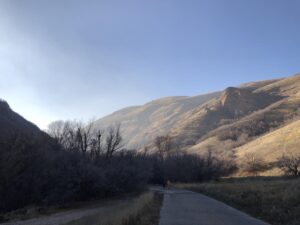
City Creek Canyon
Close to Downtown Salt Lake City, City Creek Canyon is a favorite for walking, biking, peaceful nature time, and easy access from the city core.
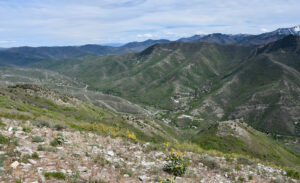
Emigration Canyon
Northeast of Salt Lake City, known for its scenic drive, historic significance, homes tucked into the foothills, and access to outdoor recreation, Emigration Canyon offers a quieter mountain-adjacent lifestyle.
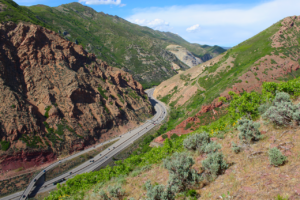
Parleys Canyon
Parleys Canyon connects Salt Lake City toward Park City and is an important route for commuters, recreation, and access to the mountains east of the valley.
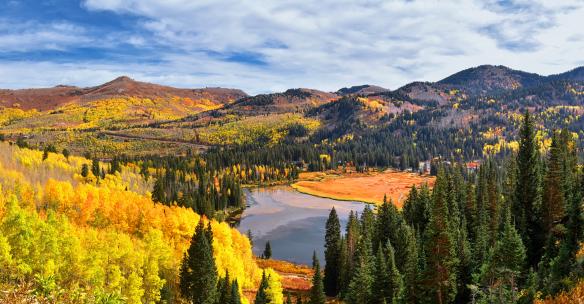
Millcreek Canyon
A local favorite for hiking, biking, dog-friendly outings, picnics, and mountain views. Millcreek Canyon is especially convenient for residents of Millcreek, Holladay, and nearby east-side neighborhoods.
Big Cottonwood Canyon
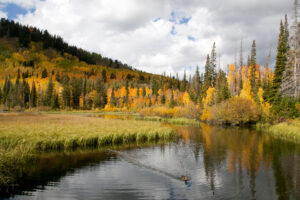
One of the most iconic canyon areas near Salt Lake City, Big Cottonwood Canyon offers hiking, climbing, scenic drives, fall colors, and access to mountain resorts, known for alpine scenery and ski-country access.
Little Cottonwood Canyon
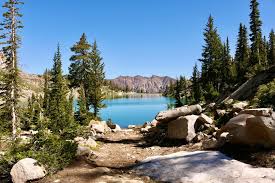
Known for dramatic mountain scenery, world-class ski access, hiking, climbing, and alpine recreation, Little Cottonwood Canyon is especially relevant for those who want to live close to Utah’s ski-country lifestyle.

SUBSCRIBE NOW
Stay Connected With Northern Utah
Our monthly newsletter brings together real estate insights, local news, events, homeowner resources, community highlights, and helpful tips for life in Northern Utah.
Explore Things to Do in Salt Lake City
Salt Lake City offers a mix of everyday local life and major regional attractions.
- Restaurants, breweries, coffee shops, and local markets
- Museums, galleries, performing arts, and live music
- Professional sports and large events
- Farmers markets and neighborhood festivals
- Public parks and urban trails
- University events and educational opportunities
- Shopping districts and locally owned businesses
- Seasonal celebrations and community gatherings
Utah’s tourism office describes Salt Lake City as a place where metropolitan energy meets mountain access, with arts, food, music, and outdoor experiences all close together.
Looking for a Home in Salt Lake City?
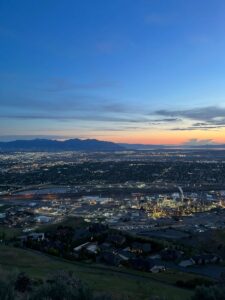
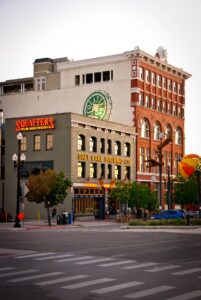
Salt Lake City is full of distinct neighborhoods, and the best fit depends on your lifestyle, budget, commute, and long-term plans. Mary Olsen and Julie Anderson help buyers and sellers make informed decisions with local market insight, realistic guidance, and a client-first approach.